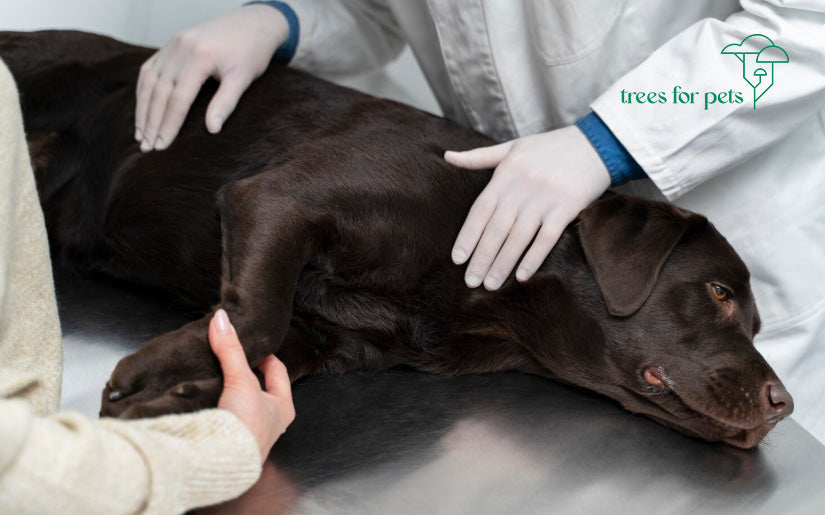
Loving a pet also means preparing for the moment when their time with us becomes fragile. End-of-life pet care helps families navigate this stage with compassion, medical support, and emotional guidance.
Veterinary clinics today do far more than provide treatment. They help pets remain comfortable, support families emotionally, and guide meaningful ways to honor a beloved companion. Let’s explore how veterinary teams support pets and their families through every stage of this final journey.
What Is End of Life Pet Care?
End-of-life pet care refers to the medical, emotional, and practical support given to pets during their final stage of life. The goal is not to prolong suffering but to prioritize comfort, dignity, and quality of life.
Veterinary teams work closely with families to understand a pet’s condition and create a care plan that respects both the animal’s needs and the family’s wishes.

Common components include:
-
Pain management and symptom control
-
Mobility support and nutrition guidance
-
Emotional preparation for pet parents
-
Decisions about hospice or euthanasia
-
Support after a pet’s passing
This holistic approach ensures pets feel safe and loved during their final chapter.
Pet Hospice Care: What Really Happens When Pets Enter Their Final Stage?
Pet hospice care focuses on improving the quality of life when a cure is no longer possible. Instead of aggressive treatments, the priority becomes comfort, peace, and familiar surroundings.
Many veterinary clinics offer hospice guidance that includes:
-
Monitoring pain levels and adjusting medication
-
Helping pets stay hydrated and comfortable
-
Teaching families how to provide daily supportive care
-
Tracking quality-of-life indicators

For example, hospice care for cats often includes appetite monitoring, litter box accessibility, and creating quiet resting spaces. Cats tend to hide discomfort, so gentle observation becomes an important part of care.
During this stage, staying informed about subtle health changes is especially important. Tools like PawHealth AI can support pet parents by offering quick health insights and helping them connect with veterinary professionals when concerns arise. This type of guidance can be particularly valuable in hospice situations, when even small behavioral or physical changes may signal that a pet needs additional comfort or medical attention.
Technology does not replace veterinarians. Instead, it helps bridge the gap between clinic visits, giving families more confidence as they care for a beloved pet at home.

How Veterinarians Help Families Make Difficult Decisions
One of the hardest moments in pet ownership is deciding when suffering outweighs comfort. Veterinarians use clinical tools and compassionate conversations to guide this process.

They often evaluate quality of life through factors such as:
-
Pain levels and response to medication
-
Ability to eat and drink normally
-
Mobility and breathing comfort
-
Emotional engagement with family
These conversations are never rushed. Veterinarians understand that every family processes grief differently.
When the time comes, many families choose gentle euthanasia services such as The Kindest Goodbye, which provides peaceful in-home support so pets can pass in the comfort of familiar surroundings.
This option can make farewells more intimate and less stressful for both pets and their families.
Memorializing a Pet After Loss
One day, your pet will eventually rest peacefully, but the love and memories you shared will never disappear. They do not truly go far away. Instead, they continue living quietly in your heart, in familiar places around your home, and in the small routines you once shared together.

Rather than letting grief overwhelm you, many pet parents find comfort in preparing gentle ways to honor that bond when the time comes. Some families even prepare a pet loss care package in advance to help themselves or loved ones navigate the emotional moment with support and remembrance.
Some families choose to prepare remembrance ideas in advance, such as:
-
Planting memorial trees that grow as a living symbol of love
-
Choosing thoughtful pet memorial gifts to keep their memory close, such as a plaque, a rainbow bridge, a custom pillow with pet portrait,...
-
Creating photo albums, letters, or small memory corners at home

Among these pet loss gifts, planting memorial trees is a meaningful way to honor a beloved pet and symbolizes love that continues to live on, while also giving back to nature and wildlife. Through Trees For Pets, families can create a living tribute that gently carries a pet’s legacy forward.
Checklist: How to Prepare for Your Pet’s Final Stage
Preparing emotionally and practically can make end-of-life pet care less overwhelming.
Here are a few helpful steps pet parents can take:
-
Talk openly with your veterinarian about the prognosis
-
Learn the signs of declining quality of life
-
Create a comfort-focused care routine
-
Discuss hospice or euthanasia options early
-
Consider memorial plans in advance
While planning may feel difficult, it allows families to focus on love and presence when the time truly comes.

In short, the journey of end-of-life pet care is never easy, but compassionate veterinary support helps ensure pets experience comfort, dignity, and love until their final moment.