Planting now · United Kingdom

Native woodland across the UK

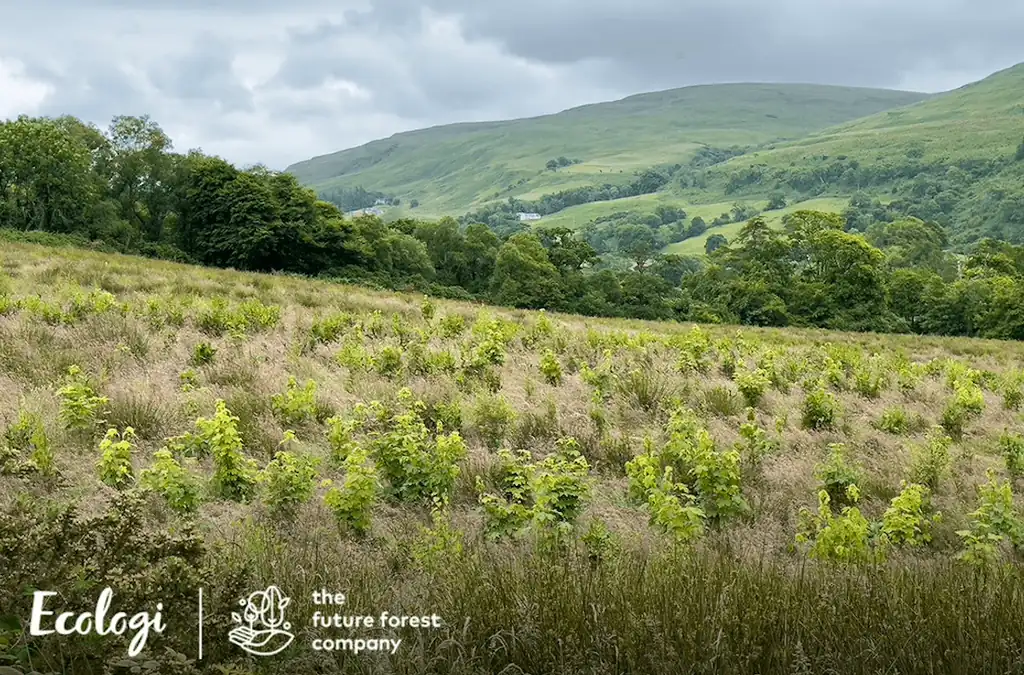
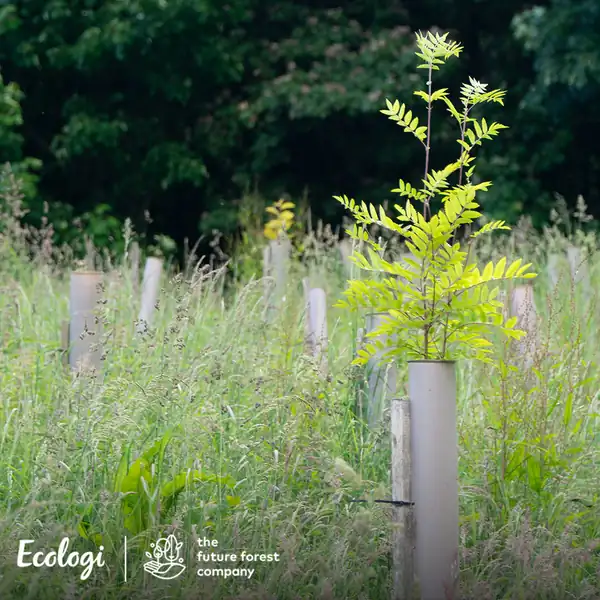
In the United Kingdom we support our reforestation partners' work planting a variety of native trees within various sites across England, Wales, Scotland, and Northern Ireland.

Native woodland across the UK, photograph 1 of 5
Our trees here
1
Planted
September 2024
Planted by
International Tree Foundation, Future Forest Company (FFC), Protect Earth
Planted through
Ecologi

About the site

Check out a video we made on our latest site visit to Glenaros, a site on the Isle of Mull being restored by The Future Forest Company. From peatland to ancient woodland protection, this project is much more than a tree-planting project, and is a great example of holistic landscape restoration.

Why it matters

Our UK reforestation partners are doing incredible work restoring native ecosystems across England, Wales, Scotland and Northern Ireland. Working alongside local communities, our reforestation partners are bringing life back to one of the most nature-depleted countries in Europe.

The benefits of planting trees in appropriate places within the UK are numerous. The right trees planted in the right places can provide protection from our ever-more erratic weather conditions, protecting us from flooding, providing shade to keep us cool in hotter months, reducing the impact of strong winds by providing wind-breaks, and holding moisture in environments that are becoming increasingly drier due to climate change. Trees can also help to conserve the land we live on, reducing soil erosion, improving soil quality, and increasing soil carbon concentrations.

And trees support life, not just our own but also the lives of native plants and animals that are under pressure, particularly from habitat loss and climate change. Healthy ecosystems provide us with services such as clean water and clean air, as well as giving us spaces to exercise, calm our minds, and celebrate cultural and traditional links to the land.

Project notes from Ecologi, our planting partner for this site.

Native woodland across the UK

United Kingdom

What the trees do here

For people

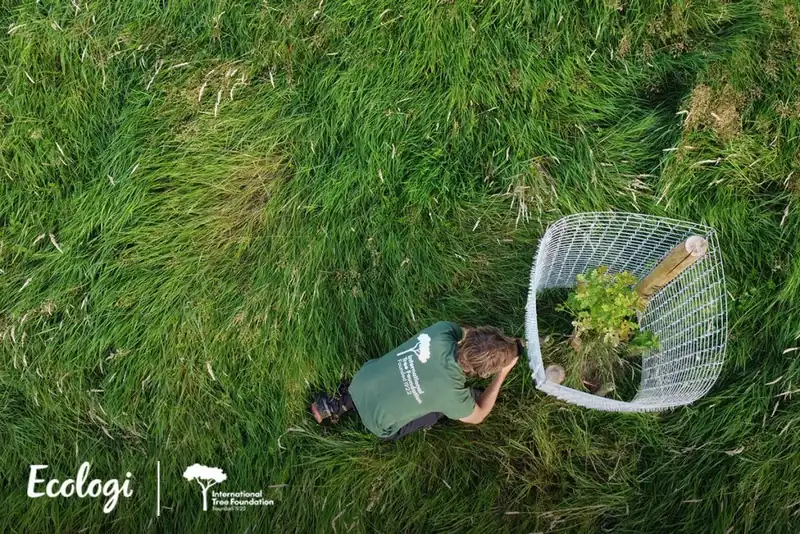
Each of the projects we support are delivered in collaboration with local people, whether that's funding tree planting on community-owned land, engaging local volunteers to get trees in the ground, or extensive community consultation meetings to ensure local support for any proposed work. It's vital that projects work for local people as well as nature and the climate, and our partners work hard to support the needs of the local communities through the projects they deliver.

For nature

Only around 13% of the UK’s land is currently tree-covered – one of the lowest percentages in Europe – with only half of this area being home to native tree species, resulting in the amount of woodland wildlife in the UK continuing to decrease. This work is restoring trees to landscapes across the UK where trees should be planted.

For the climate

The world’s 1.9 billion acres of temperate forests are a net-carbon sink. According to the World Resources Institute, more than 1.4 billion additional acres are candidates for restoration, either large-scale, closed forest or mixed mosaics of forests, more sparsely growing trees, and land uses such as agriculture. With restoration comes additional carbon sequestration.

Goals it reports against

  • Goal 4 Quality educationSeveral projects are helping to educate local people about the nature around them, and how to protect and conserve it. Engaging with local school groups helps to bring important nature education to the younger generations.
  • Goal 11 Sustainable cities and communitiesSome projects are in urban areas, bringing important green spaces to people living in these areas. The trees help to reduce air pollution and noise pollution, and create habitat for wildlife.
  • Goal 12 Responsible consumption and productionUsing locally sourced materials helps to support local economies and reduce the carbon footprint of delivering the projects.
  • Goal 13 Climate actionThese projects help to lock away carbon for generations to come, reducing the UK's contribution to the global greenhouse gas concentrations.
  • Goal 15 Life on landProjects are carefully designed to boost local native biodiversity, creating habitat and food sources for birds, mammals, insects and more.
  • Goal 17 Partnerships for the goalsAll projects are carried out in collaboration with a range of local people, whether that be local volunteering groups, contractors, or residents contributing to project designs.

From the site

Updates from the people planting it, newest first.

  1. Monitoring and maintenance at Dumyat

    Monitoring and maintenance work continues, including through thermal drone surveys which are used to assess deer movement and grazing pressure. This information helps to inform forest management decisions and protect young woodland and the surrounding habitat.

    This site is home to a wide range of native species, supported by the planting of native trees including pedunculate oak, Scots pine, downy birch, rowan, elder and juniper.

    These species have been selected to support long-term woodland structure and ecological diversity. Making this site their home are a number of animals, including red kites, treecreepers, song thrushes, red squirrels and otters.

  2. 92 and 95% survival rates in Dumyat

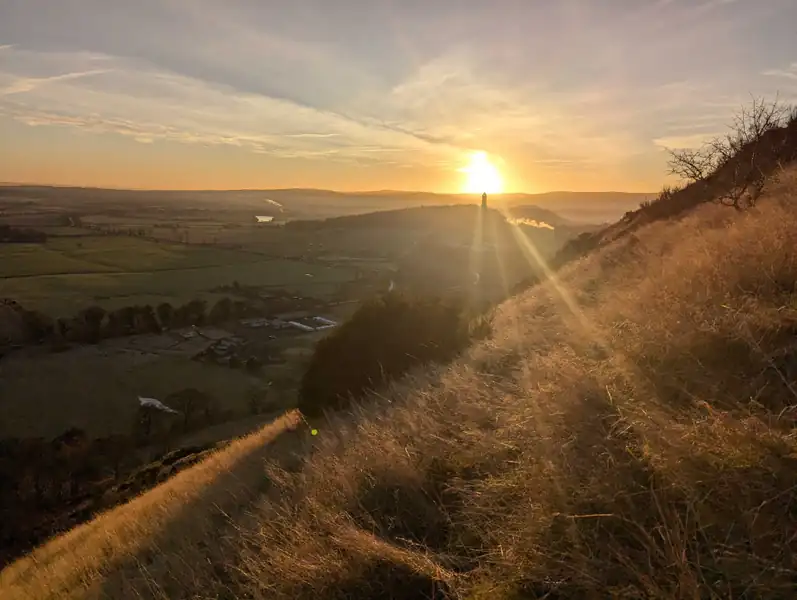
    The Future Forest Company’s work to restore their sites is producing some fantastic outcomes for local wildlife already. At Dumyat near Menstrie in the Ochil Hills, maintenance work is ongoing to maximise tree survival rates, including “beating up” where necessary. This is the practice of replacing planted trees that haven’t survived. Monitoring work completed in October 2025 estimated the survival rate of trees planted at Dumyat to be between 92 and 95% - an excellent survival rate.

  3. 20,000 trees planted across the Lowther Estate, UK

    In 2025, more than 20,000 trees were planted across this vast area in the Eastern Lakes. This is very low-density planting (hence the large hectareage) as it is designed to recreate a parkland/woodland pasture habitat that once covered vast portions of these lowland fells. The particular plantings saw broadleaf trees planted in the centre of a ‘thorny fringe’ of Hawthorn (Crataegus monogyna), Blackthorn (Prunus spinosa) and Hazel (Corylus avellana) that will protect these trees from predation and grazing and form the understory of the new woodland habitat.

Growing here for

The most recent of the 1 trees planted here for somebody's pet.

Plant one here

Trees planted with us this week go to sites like this one, with your pet's name on it.