Planting complete · Dundori, Kenya

Planting trees and supporting water security in Kenyan forests

Working with the local community to restore forests that support local water sources.

Planting trees and supporting water security in Kenyan forests, photograph 1 of 3
Our trees here
582
Planted
August 2023 to February 2026
Planted by
International Tree Foundation
Planted through
Ecologi

About the site

Context

Kenya is renowned for its magnificent wildlife and iconic landscapes, teeming with biodiversity due to its wide array of ecosystems ranging from deserts and wetlands to mountain and forest regions. However, Kenya is losing species of plants and animals at an alarming rate as a result of ongoing environmental degradation, poor land-use practices, and unsustainable natural resource management. These issues are all exacerbated by extreme weather events due to climate change, which negatively impact the country’s nature-based tourism revenue and, ultimately, the livelihoods of its people.

Dundori Forest, in Nakuru County (about 200 km north-west of Nairobi), is a Key Biodiversity Area, signifying its species and habitat importance and associated conservation efforts. The waters within this Key Biodiversity Area feed into the three major lakes in Kenya (one being a UNESCO World Heritage site), making it vital for water security. Dundori Forest is part of the six western forest blocks of Nakuru County and plays a critical role in regional biodiversity conservation and ecosystem services, being part of the larger Mau water tower.

The Project

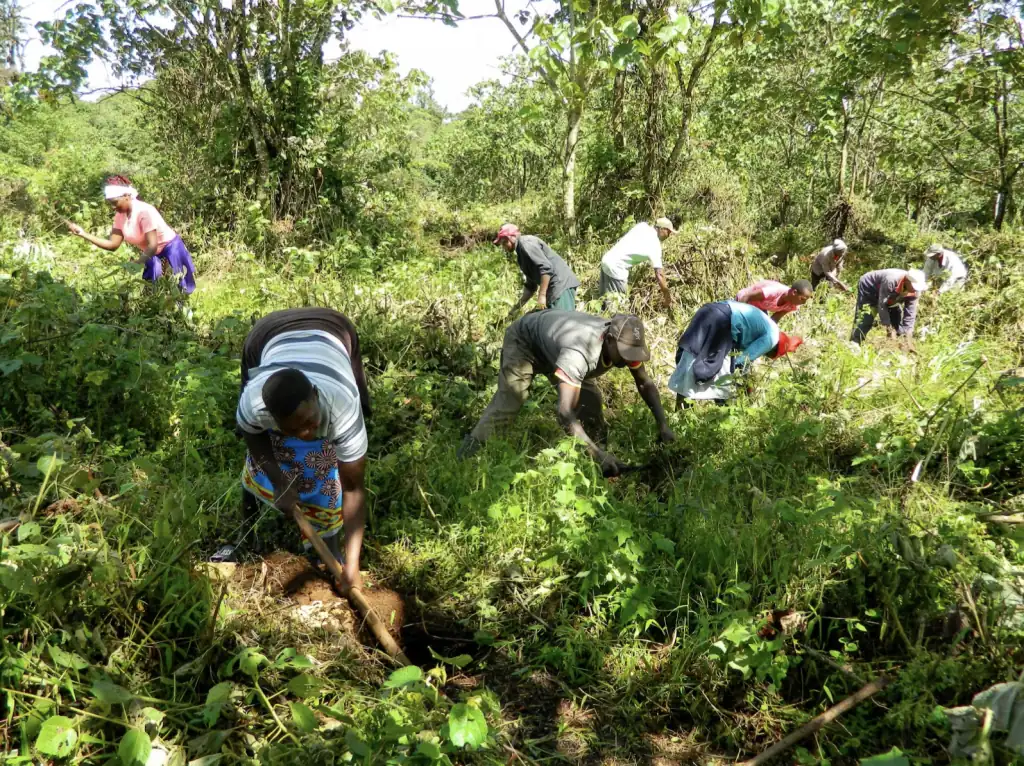
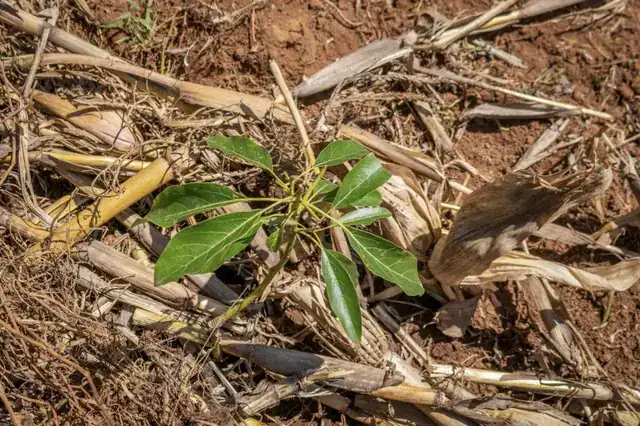
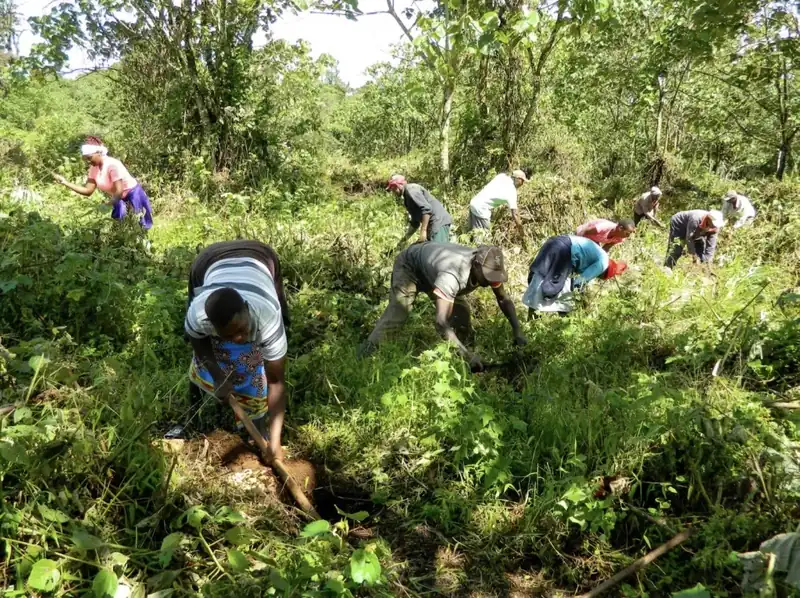
The objective of this project is to restore 200 hectares of highly degraded forests through sustainable, community-led reforestation. The project specifically seeks to catalyse the rehabilitation and restoration of watershed functions, soil stability and quality, carbon sequestration and the biodiversity of the degraded Dundori forest by replanting local species and engaging local communities in their efforts to restore and protect the forest. Additionally, the project will involve planting trees in schools, as a means to engage young environmental stewards in forest and school-based tree growing in 15 learning institutions.

The project will integrate and mainstream the conservation of four threatened tree species (Ocotea kenyensis, Polyscias kikuyuensis, Prunus africana and Vangueria gillettii (IUCN Red List of 2020)) in Nakuru County.

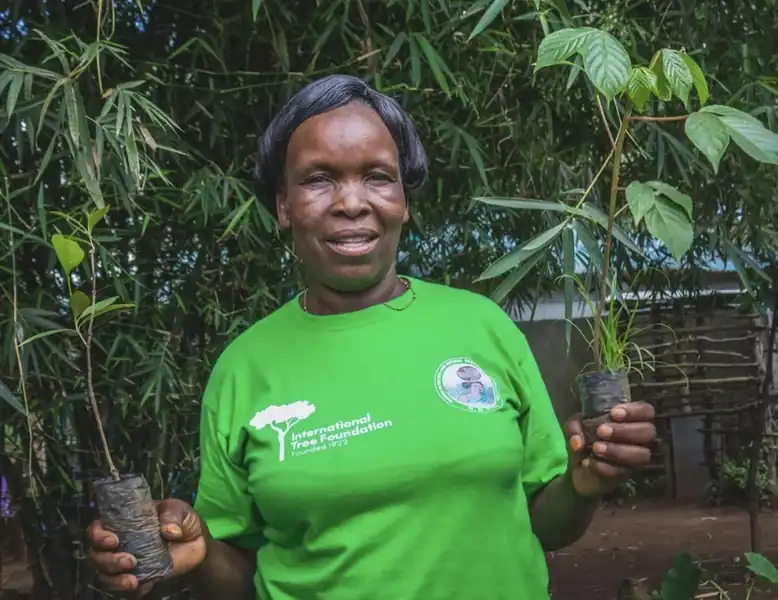
Trees planted in the forest will need some aftercare to ensure their survival. ITF spearheads aftercare for the planted trees in collaboration with Kenya Forest Service and communities living adjacent to the forests. This is done for a period of three years to ensure the planted trees become well-established and are able to survive on their own. ITF’s approach to the protection of planted sites involves engaging community members known as Community Volunteers, who will also be trained on fire prevention and firefighting.

Project notes from Ecologi, our planting partner for this site.

Planting trees and supporting water security in Kenyan forests

Dundori, Kenya

From the site

Updates from the people planting it, newest first.

  1. Signs of natural regeneration

    Ecological assessments point to encouraging signs of forest recovery. Stocking densities now range from 1,700 to 2,400 trees per hectare, and in less-disturbed areas, natural regeneration is occurring.

    This recovery is bringing biodiversity back. The restored forest now supports a diverse range of indigenous species, including Juniperus procera, Podocarpus spp., Croton macrostachyus, and Olea europaea subsp. africana.

    The project has gone a step further, actively reintroducing several threatened species back into the landscape, among them Prunus africana, Hagenia abyssinica, Warburgia ugandensis, and Vitex keniensis. Bringing these species back isn't just about restoring tree cover; it's about restoring the full ecosystem.

  2. Phase 3 Update: Restoration Targets Fully Met

    The project has achieved strong results across its core restoration targets:

    • Indigenous Trees Planted: 100,000 target - 101,225 achieved
    • Agroforestry Trees Planted: 25,000 target - 25,104 achieved
    • Energy - Efficient Cook Stoves Installed: 100 target - 95 installed
    • Farmers Trained (Agrochemical Safety & Sustainable Practices): 500 target - 488 trained

    Community Participation

    Engagement across the project area was high, with 91.25% of households participating in agroforestry activities and 61.25% adopting energy-efficient cookstoves.

  3. Over 400 farmers trained!

    In January 2026, an End-of-Project Evaluation was conducted to assess achievements, sustainability, and lessons learned.

    Training reached 488 farmers in total, with balanced participation across genders: 215 men and 273 women. The curriculum covered:

    • Agrochemical safety
    • Forest stewardship
    • Collection of threatened seed species
    • Tree nursery establishment
    • Ecologically sustainable farming practices
    • Alternative sources of livelihoods

    Continued mentorship and follow-up with trained farmers has been recommended to reinforce adoption of sustainable practices and support long-term outcomes.

Growing here for

The most recent of the 582 trees planted here for somebody's pet.

Planting has finished here

Every tree on this site still stands and still has its page. New trees go to the sites we plant now.