About the site
About this project
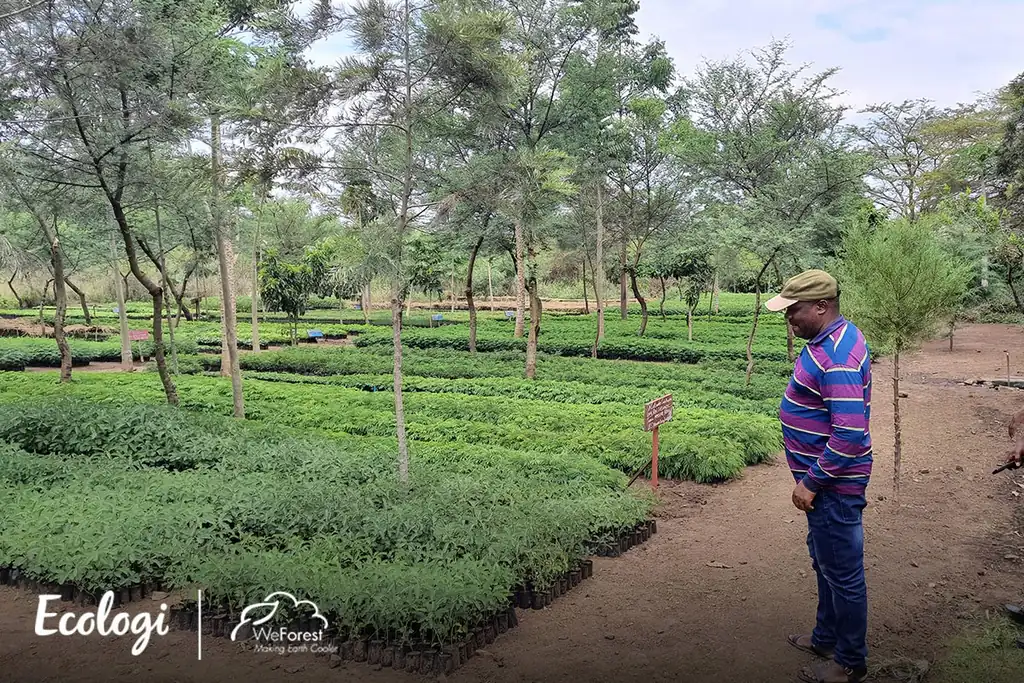
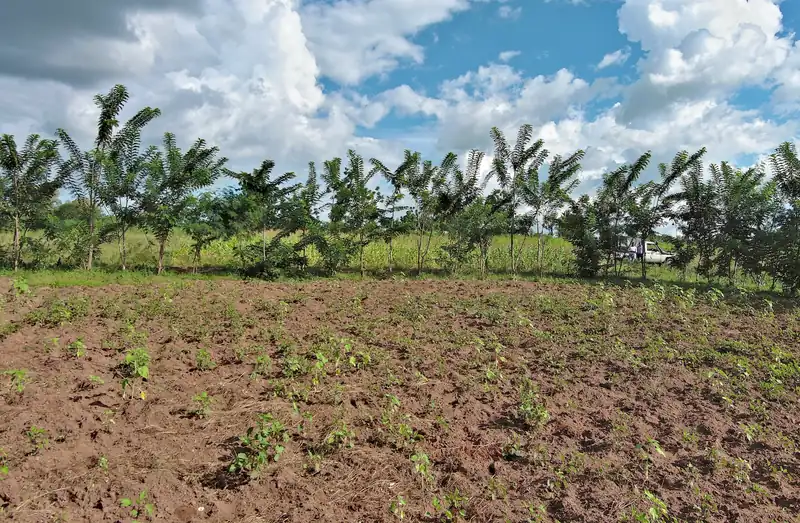
The introduction of agroforestry systems in areas adjacent to the degraded Butiama hillsides will improve local livelihoods while reducing pressure on the remaining forests for fuelwood. At the same time, the project aims to facilitate the proper conversion and formal recognition of a community forest under an appropriate management plan. Together, these practices will help create favorable conditions for assisted natural regeneration (ANR) to support vegetation recovery, restore water catchment areas, and ultimately revive critical clean water springs.
Key challenges in the landscape
- Unsustainable firewood harvesting, charcoal.
- Burning and grazing.
- Lack of community ownership of the forests.
- Decreasing sources of water.
- Insufficient access to clean energy sources.
- Low agricultural productivity.
WeForest's integrated approach
Improve forest governance and stewardship:
Clarify forest boundary locations, develop a forest management plan and strengthen law enforcement
Conserve and restore the forest:
Ecological restoration through Assisted Natural Regeneration of the hillside forest.
Strengthen forest-friendly livelihoods and behaviors:
Improve incomes and resilience for smallholder farming households in four villages through training and equipping farmers to convert to agroforestry systems.
Outcome:
Restore a functional ecosystem in the Butiama hillside landscape by reducing pressure on forest resources through a combination of Joint Forest Management implementation, promotion of forest-friendly and diversified economic pathways and improved agricultural productivity via sustainable agroforestry systems in four villages surrounding the hills.
The long-term impact of our work will benefit people, nature and climate.
Project notes from Ecologi, our planting partner for this site.
Restoring the Butiama Hills landscape in Tanzania
Tanzania