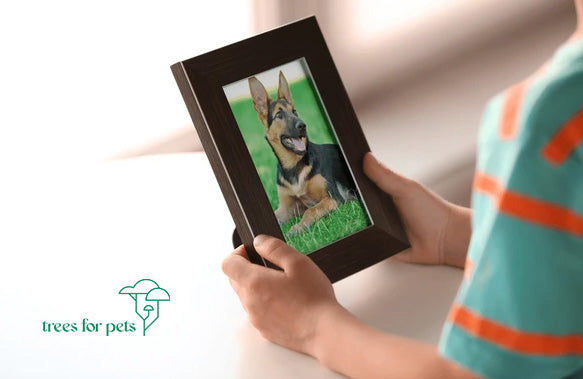
If you are reading this, you may be carrying a kind of pain that is hard to explain. The loss of a dog is not just the absence of a pet. It is the absence of a presence that shapes your days, your routines, and your sense of home.
Grief after losing a dog can feel lonely, especially when the world expects you to move on quickly. This article is not here to rush you. It is here to help you understand what you may be feeling, why it hurts so deeply, and how healing can exist alongside the love you will always carry.
Why the Loss of a Dog Hurts So Deeply
Dogs do not just live beside us. They witness our quiet moments, our habits, and our emotional rhythms. Their love is steady, uncomplicated, and constant.

When that love is gone, emptiness can feel disorienting. Many owners describe feeling untethered, as if something essential has been removed from their daily life. This reaction is natural and valid.
Grief does not follow a straight line. Some days feel manageable, while others feel heavy without warning. Understanding the emotional stages can help you feel less alone in this process.
The 7 Emotional Stages Owners Often Experience After Loss
These stages are not rules. You may move between them, revisit them, or experience several at once. Each response is a reflection of love.
1. Shock and Numbness
In the beginning, many people feel strangely empty. Tears may not come right away, or emotions may feel distant.

This stage often includes:
-
A sense of disbelief
-
Emotional numbness
-
Feeling detached from reality
Your mind is protecting you while it processes the loss.
2. Denial and Searching
You may still expect to hear familiar sounds or reach for habits that no longer exist. Some people catch themselves waiting for their dog to appear.
This stage can feel confusing, but it is a natural part of accepting a new reality.
3. Guilt and Self-Questioning
This is one of the most painful stages. Owners often replay moments, decisions, or final days.
Questions like these are common:
-
Did I do enough
-
Did I wait too long or act too soon
-
Could I have prevented this
For families who choose home euthanasia, partners like The Kindest Goodbye often remind owners that choosing peace, comfort, and dignity is an act of deep love, not failure.
4. Anger and Frustration
Anger may surface unexpectedly. It can be directed at circumstances, other people, or even yourself.
This emotion does not mean bitterness. It means loss matters.
5. Deep Sadness and Loneliness
This stage often feels the heaviest. The absence becomes unavoidable, and daily life may feel quieter than ever.
You might notice changes in yourself during this period. Eating feels less important, energy comes and goes, and social interactions may feel exhausting rather than comforting. This withdrawal is not a weakness. It is a natural response to losing a constant source of companionship and emotional safety.

Some find comfort in reading loss of a dog quotes or sharing their story in supportive spaces like Jasper Grief, a community where pet loss is understood, not minimized.
6. Reflection and Meaning
With time, grief begins to change shape. Memories still bring tears, but they also bring warmth.
Many owners find themselves thinking about what their dog taught them through everyday moments. Patience learned during long walks, the joy found in simple routines, and the unconditional love that never needed words.

This stage is where many begin seeking meaningful remembrance, such as dog memorial gifts or symbolic acts that honor life rather than loss.
7. Acceptance and Continuing Love
Acceptance does not mean moving on. It means learning how to live while carrying love forward.
Many families find healing in creating living legacies through memorial trees, allowing their dog’s memory to grow into something that continues to give.
Gentle Ways to Deal With the Loss of a Pet
If you are wondering how to deal with the loss of a pet, start by letting go of expectations. There is no timeline, and no right way to grieve.

Helpful steps include:
-
Allowing yourself to feel without judgment
-
Talking openly about your dog
-
Creating small rituals of remembrance, such as pet memorial gifts
-
Choosing keepsakes that feel personal
Meaningful pet loss gifts are not about holding onto pain. They are about honoring love in a form that feels safe and grounded.
Why Memorials Can Be Healing, Not Painful
Memorials give grief a place to rest. They create a bridge between memory and meaning.

Living tributes, like planting trees through Trees For Pets, allow families to transform sorrow into growth. Watching something living thrive can gently remind you that love continues, even when loss feels final.
Love Does Not End With Loss
The loss of a dog leaves a permanent mark, but it also leaves behind a story of devotion, companionship, and unconditional love.
At Trees For Pets, we help families honor that love through living memorials that grow forward. If you are navigating the loss of a dog, you are not alone. Explore how planting a memory tree can turn remembrance into something enduring, meaningful, and gently healing.

FAQ: Understanding the Loss of a Dog
Is it normal to grieve this deeply over a dog?
Yes. The bond with a dog is emotional, constant, and deeply personal. Grief reflects love.
Will the pain from the loss of a dog ever ease?
The pain changes. It softens over time, making room for memory and gratitude.
Do memorial gifts really help with healing?
Thoughtful dog memorial gifts can provide comfort by giving grief a tangible expression.
Should I talk about my loss or keep it private?
Sharing with your loved ones or communities who understand pet loss, such as Jasper Grief, can ease isolation and validate your feelings.